
WHAT IS
ENDOMETRIOSIS
The cause of endometriosis and related pain
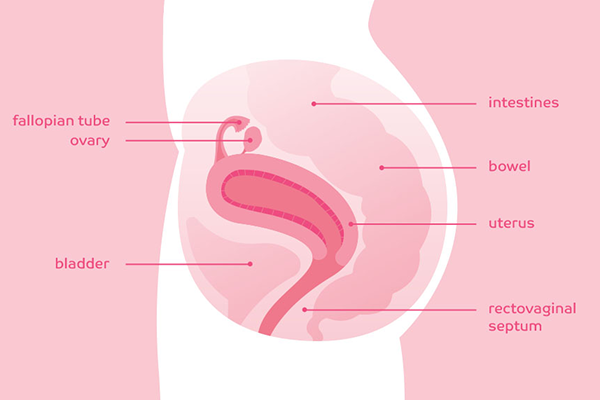
Endometriosis is a chronic and painful disease that occurs when endometrium (tissue that originates from the lining of your uterus) starts growing outside of your uterus, where it doesn’t belong.
The endometrial tissue that grows outside of your uterus is called a lesion or an implant. These lesions are fueled by a sex hormone called estrogen. When estrogen levels rise, these lesions (patches of endometrial tissue) can grow. Later in the menstrual cycle, they may break down and shed. This can cause pain throughout the month.
About endometrial lesions
The location of these lesions can affect your symptoms, but the extent of the disease doesn't necessarily relate directly to
the level of pain experienced.
Common symptoms of endometriosis
Endometriosis is not a “one size fits all” chronic condition and is more than just a “bad period.” In fact, there are many different symptoms of endometriosis. Some women with endometriosis may experience a range of symptoms, while others may experience none at all. Every woman’s symptoms are different.
There are many symptoms of endometriosis, but the most common symptoms are:
- Painful periods: your gynecologist may call this dysmenorrhea (DIS-men-uh-REE-uh)
- Pelvic pain in between periods: your gynecologist may call this non-menstrual pelvic pain
- Pain with sex: your gynecologist may call this dyspareunia (DIS-puh-ROO-nee-uh)
What endometriosis pain treatments exist
To treat your endo pain, your OB/GYN may recommend one or more of the following treatment options:
- Over-the-counter strength painkillers (eg, ibuprofen, acetaminophen, naproxen)
- Prescription strength NSAID painkillers (eg, ibuprofen, naproxen)
- Prescription hormonal birth control (eg, pills, injection, implant, IUD)
- Prescription GnRH antagonist pill
- Prescription GnRH agonist injection or nasal spray
- Prescription androgenic hormones (eg, danazol)
In certain circumstances, your OB/GYN may prescribe opioids (such as hydrocodone with acetaminophen). Another endometriosis treatment option is surgery, such as laparoscopy. There are several different procedures that can treat endo pain. Together, you and your gynecologist will decide which is right for you and your lifestyle.
